Delong Zhou, Ph.D.
I create RNA-seq data-driven tools
to understand how gene regulation changes
in cancer and neuropsychiatric disorders.
I create RNA-seq data-driven tools
to understand how gene regulation changes
in cancer and neuropsychiatric disorders.
oRNAment v2 is the updated version of oRNAment, a web-based database for putative interactions between RNA and RNA Binding Proteins (RBPs), developed by LÉCUYER Lab of RNA Biology and published in Nucleic Acid Research.

For this updated version, I designed and implemented the data infrastructure, including the DuckDB databases and a Django-based web application to host and serve the resource. While my colleagues focused on generating the underlying data, we worked together to develop new functionalities and incorporate new data that distinguished this version from original resource and similar tools developed by other groups.
The webtool provides an interactive interface to explore putative RBP binding sites, to facilitating research ino RNA regulation.
The updated tool is available at here and the accompanying manuscript is in preparation.
SAPFIR is a webtool to explore the functional consequence of RNA alternative splicing, a mechanism that allows one gene to produce multiple RNA isoforms with different protein activities and potential effects on cell fates.
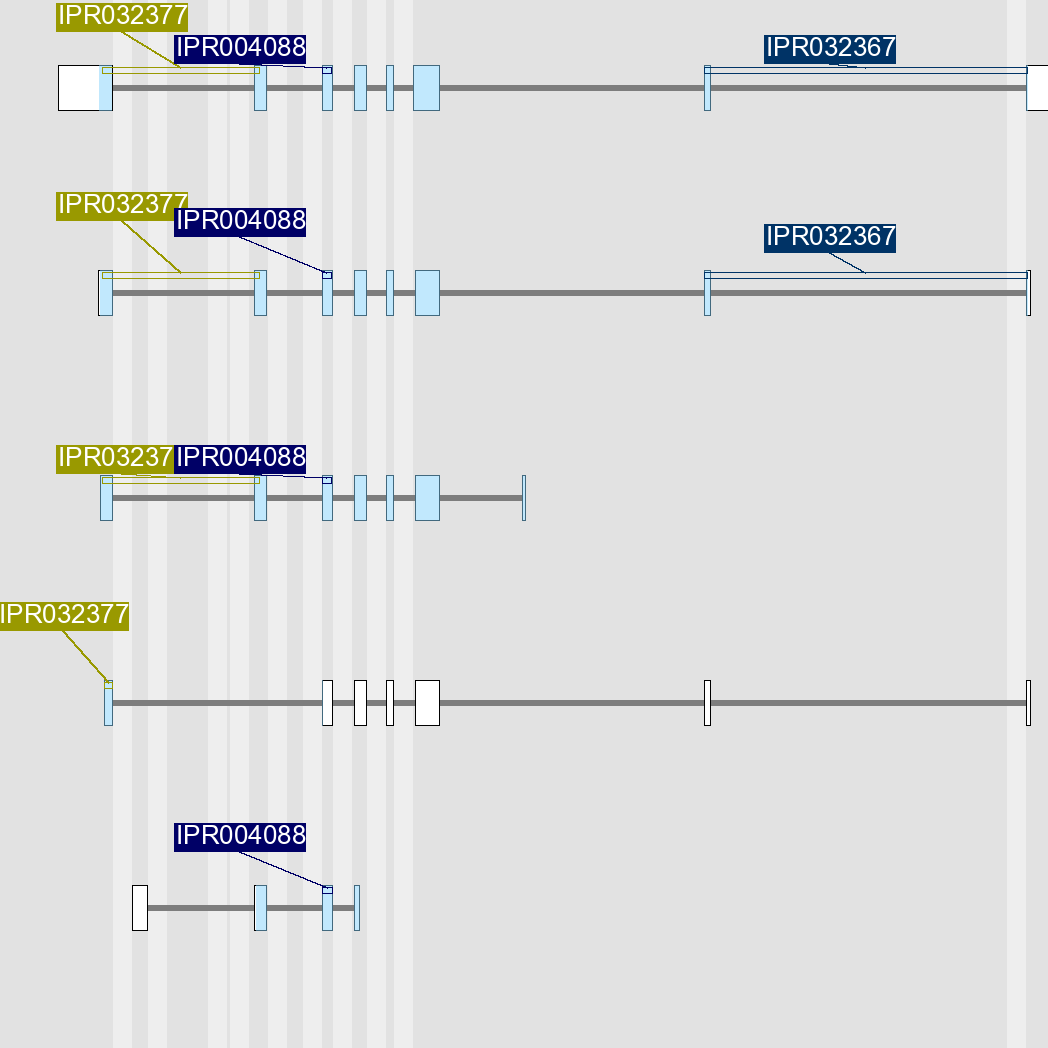
I developed the Enrichment Analysis function, enabling users to upload results of their RNA-seq analysis and investigate the functional impact of their findings. I also enhanced the Single Gene Annotation function, originally developed by a colleague, to expand its usability. In addition, I updated the Django-based web application and geenrated the latest version of the underlying data.
This tool enables rapid functional annotation of alternative splicing events identified through RNA-seq experiments and helps researcheres identify cellular functions affected by a defined splicing program.
The updated tool is available at here while the manuscript is published in BMC Bioinformatics. The companion repo can be found here.
My Current Post-Doc research project at Dr. LÉCUYER Lab of RNA Biology at Institut de recherches cliniques de Montréal (IRCM) aims to predict RNA secretion signals by training machine learning models on RNA-seq data generated in the lab.
Extracellular vesicles (EVs) consist an important cell-cell communication pathway by transporting RNA produced in one cell into another and potentially alerting the recipient cell. While a lot of existing research studied how small non-coding RNAs are secreted into EVs, the exact mechanism underlying the secretion of messenger RNA (mRNA) into the EV remains unclear.
I built a machine-learning model using Tensorflow & Keras and trained it using RNA-seq data generated in our lab to predict mRNA secretion and identified RNA features that contributed to the predictive power of the model. I explored multiple model structures to identify the model with the best interpretability. I subsequently validated the findings using independent RNA-seq datasets generated in our lab. Further in vitro validations are undergoing.

This project aims to improve our understanding of RNA localization and secretion, with potential relevance in cancer and neurodegenerative diseases, leading to better patient care.
The manuscript is currently under preparation.
My first Post-Doc research project under Dr. Bagot at McGill University aims to determine how the brain responds to psilocybin, a potential alternative treatment for people who do not respond to conventional therapies.
While clinical data suggest that psilocybin could induce long-lasting antidepressant effects in some patients, its underlying mechanism of action remain largely unclear.
I first conducted a range of standard behavioral tests to accessed the effects of psilocybin on anxiety and social interaction in mice. My colleagues and I then generated single-cell RNA-seq libraries from the mouse prefrontal cortex, a brain region strongly implicated in depression and targeted by many antidepressants. I analyzed the resulting data to identify changes in gene activity induced by psilocybin. These findings were subsequently validated by my colleagues with in vivo methods.
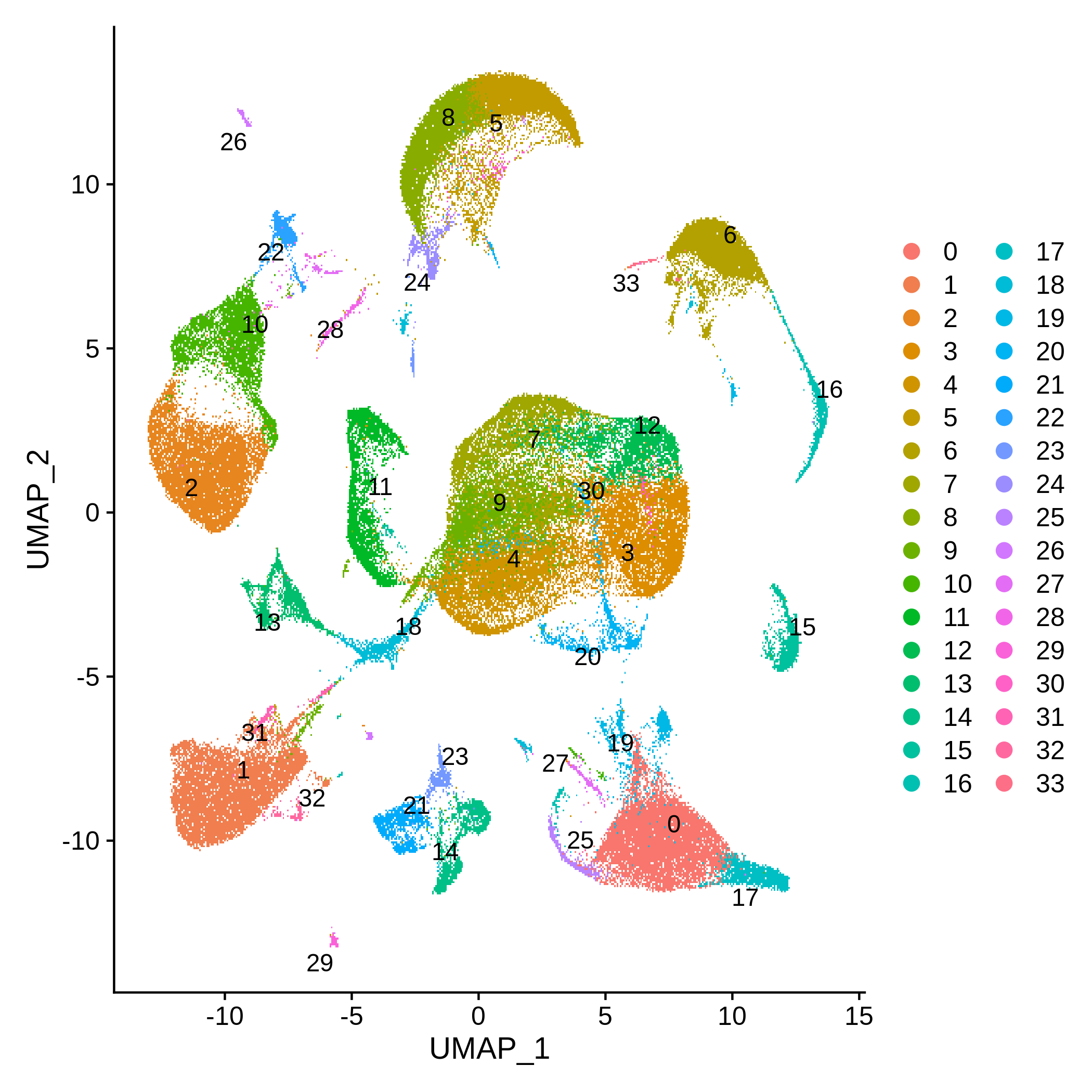
The findings will improve our understanding of how psilocybin affects the brain, therefore support the development of psilocybin as a novel antidepression treatment, and provide better care for depression patients.
The preprint is available at bioRxiv.
My main PhD project supervised by Dr. Michelle Scott and Dr. Sherif Abou Elela at University of Sherbrooke studied the regulation of RNA alternative splicing, a process through which one gene can produce multiple RNA isoforms, and consequently, different proteins with distinct functions and potential effects on cell fate.
RNA Binding Proteins (RBPs) are major regulators of RNA alterantive splicing. However, there is a substantial discrepancy between observed RBP-RNA interaction and the splicing changes resulting from changes in RBP expressions, suggesting that RBPs may regulate splicing through mechanisms beyond their direct RNA targets.
With the help of my colleagues I generated bulk RNA-seq data following the reduction of multiple RBPs. I analyzed these data to identify how the change in RBP expression affected the global splicing profiles. Integrating publicly available datasets, I found evidence that RBPs form a splicing-regulating complex whose regulatory activities varies in function of their binding configuration. I further validated my findinds through a wide range of in vitro approaches.

This work demonstrates how RBPs can regulate alternative splicing beyond their direct interacting targets, thereby extending their regulatory capacity to previously overlooked splicing events.
The work is published in Nucleic Acid Research.
This collaboration led by Julie Parenteau at Dr. Sherif Abou Elela's lab investigated how RNA splicing enables yeast to adapt to nutrient stress. We identified a specific set of introns whose splicing is essential to resist starvation, highlighting the role of the spliceosome, the machinery responsible for RNA splicing, as a central hub for environmental signal integration.
I analyzed the Poly(A) RNA-seq experiment abd identified a broader splicing switch pattern consistent with previously observed changes in specific genes, providing a more complete view of the underlying mechanism.
In this collaboration between Dr. Scott's lab and Dr. Auger-Messier's lab, we investigated the role of Srsf3 in cardiac function by selectively deleting the gene in heart muscle cells. We found that loss of Srsf3 disrupts mitochondrial integrity and energy production, leading to cardiomyocyte hypertrophy, impaired contractile function, and early postnatal lethality in mice. These results highlight the critical role of Srsf3 in maintaining mitochondrial homeostasis and cardiac health, providing insights into potential mechanisms underlying mitochondrial dysfunction in heart disease.
I analyzed the RNAseq experiment, generated testable hypotheses from the results, and identified candidate mechanisms that were subsequently evaluated and validated through in vitro experiments.

In this project led by Heike Schuler in Dr. Bagot's lab of Behavioural Neurogenomics, we investigated sex-specific responses to social stress in mice. We found that female mice display unique changes in movement patterns rather than the social avoidance behaviors typically used to assess stress response in male mice. Based on these movement patterns, we developed a new metric to better characterize stress response in female mice. This research highlights the importance of tailoring depression studies to account for differences between sexes.
I contributed to training the machine learning model to track mouse body parts.
